






How to Document Dog Bite Injuries for a Trenton NJ Claim
If you or a loved one suffered a dog bite in Trenton, the steps you take immediately after the attack can shape your entire claim outcome. Strong documentation ties your injuries to the incident, establishes the dog owner’s liability, and positions you to recover fair compensation under New Jersey’s strict liability statute. Knowing how to preserve dog bite evidence gives you a critical advantage before memories fade and physical signs heal.
If you need guidance right now, The Law Offices of Greg Prosmushkin can help. Call (609) 656-0909 or reach out online to discuss your situation at no cost.
Why Documentation Matters in a Trenton Dog Bite Claim
Thorough injury documentation is the foundation of every successful dog bite case. According to the Insurance Information Institute, over 4.5 million people are bitten by dogs annually in the United States, with roughly 800,000 requiring medical attention. In 2024, dog bite liability claims cost homeowners insurers approximately $1.57 billion nationwide, averaging about $69,000 per claim. These numbers reflect why adjusters scrutinize the evidence you present.
In New Jersey, the legal framework favors bite victims when the proof is there. Under N.J.S.A. 4:19-16, dog owners face strict liability for bite injuries. You generally need to show the defendant owned the dog, that the bite occurred, and that you were in a public place or lawfully on private property. Solid documentation makes meeting that standard straightforward rather than contested.
💡 Pro Tip: Start a dedicated folder on your phone or computer labeled with the incident date. Save every photo, receipt, and correspondence related to your injury in one place.
Photograph and Video Your Injuries Immediately
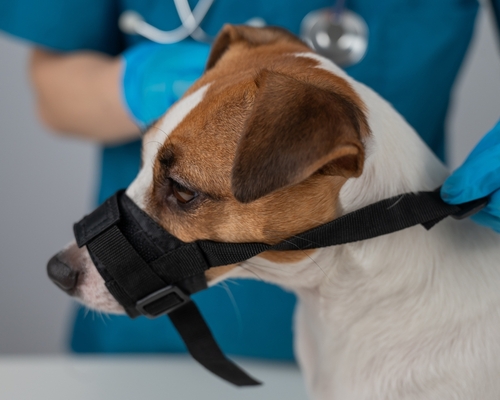
The most important step at the scene is capturing visual evidence. Use your phone to photograph every wound from multiple angles, including close-ups showing depth and visible tissue damage, plus wider shots showing the wound’s location. Photograph torn or bloody clothing, the attack location, and the dog itself if safe to do so.
Continue photographing your injuries over the following weeks. Dog bite wounds often change dramatically as bruising spreads, swelling increases, stitches are placed, or infection develops. A visual timeline strengthens your claim by illustrating the full scope of harm. Video can also capture mobility limitations or pain responses that still images cannot convey.
Capture the Scene and Surrounding Details
Beyond your injuries, the scene itself holds valuable evidence. Photograph the property where the attack occurred, including any broken fences, open gates, or absent leash restraints. If there were witnesses, ask for their names and phone numbers. Note the time of day, weather conditions, and anything the dog owner said immediately after the bite. Over 50% of dog bites occur on the owner’s property, and these details help establish the incident circumstances.
💡 Pro Tip: If the dog owner makes verbal admissions at the scene, such as "he’s never done that before" or "I should have had him on a leash," write down the exact words immediately. These statements can become key evidence.
Seek Medical Attention and Secure Your Records
Getting prompt medical care protects your health and creates an official record tying your injuries to the dog bite. Visit an emergency room, urgent care center, or your primary care physician immediately. Ensure the treating provider documents the cause as a dog bite, describes each wound in detail, and notes any recommended follow-up treatment such as antibiotics, tetanus shots, or surgical consultation.
Your dog bite medical records form the backbone of your damages claim. Request copies of all treatment notes, diagnostic imaging, prescriptions, and billing statements. If you develop complications like infection or scarring requiring additional visits, keep those records as well.
What Your Medical Records Should Include
- Date and time of treatment
- Description of each wound, including size, depth, and location
- Cause of injury documented as a dog bite
- Photographs taken by medical staff, if available
- Prescribed medications and follow-up care instructions
- Referrals to plastic surgeons, mental health providers, or other practitioners
💡 Pro Tip: If you experience anxiety, nightmares, or fear of dogs after the attack, tell your doctor. Emotional and psychological injuries are compensable in New Jersey, and documenting these symptoms early strengthens your claim.
Report the Bite to Local Authorities
Filing an official report creates an independent record that insurance companies and courts take seriously. Contact Trenton animal control or the local health department to report the bite. Under New Jersey law, any domestic animal that scratches or bites a human must be placed in a mandatory 10-day quarantine at the owner’s expense. This process generates documentation that independently confirms the bite occurred.
File a police report if officers respond to the scene or if you visit the station afterward. A police report captures witness statements, the owner’s identity, and details about the dog. This official record can be difficult for the opposing side to dispute.
Gather Evidence of the Dog Owner’s Knowledge
One of the most powerful categories of evidence involves what the owner knew about the dog’s behavior before your attack. While New Jersey’s strict liability statute does not require proving prior viciousness, evidence of a known history of aggression can significantly increase your claim’s value and may support additional negligence arguments.
Look for any records showing the dog had prior behavioral issues. Prior bite reports, animal control records, neighbor complaints, and even social media posts from the owner discussing the dog’s temperament may all be relevant. In one New Jersey case, kennel intake forms noting the dog required a muzzle served as central evidence.
| Type of Evidence | Where to Find It | Why It Matters |
|---|---|---|
| Prior bite reports | Animal control, local health department | Shows pattern of dangerous behavior |
| Veterinary or kennel records | Vet offices, boarding facilities | May note aggression warnings or muzzle requirements |
| Witness statements | Neighbors, delivery workers, mail carriers | Corroborates known behavior issues |
| Owner’s social media posts | Facebook, Instagram, Nextdoor | May contain admissions about dog’s temperament |
| Homeowners insurance history | Discovery during litigation | May reveal prior bite claims |
💡 Pro Tip: If you were bitten while working (groomer, mail carrier, delivery driver), document whether the dog owner disclosed any behavioral warnings before you entered the property. What was or was not disclosed can affect your claim.
Understanding the Deadline: New Jersey’s Statute of Limitations
Time is not on your side after a dog bite. In New Jersey, the statute of limitations for personal injury actions, including dog bite claims, is generally two years from the injury date. Missing this deadline will likely result in dismissal of your claim.
Various factors may alter the standard limitation period. Circumstances involving minors, mental incapacity, or delayed discovery of certain injuries may affect the timeline. The safest approach is to begin documenting immediately and consult with a dog bite lawyer in Trenton well before the deadline approaches.
How a Dog Bite Lawyer in Trenton Can Help You Build Your Case
An experienced attorney can identify and preserve evidence before it disappears. Surveillance footage gets overwritten, medical records may be archived, and witnesses’ memories fade. A dog bite attorney in New Jersey understands how to issue preservation letters, subpoena records, and build a comprehensive case file.
Your attorney can also navigate the insurance process on your behalf. Most homeowners and renters insurance policies provide $100,000 to $300,000 in liability coverage for dog bites. If your claim exceeds the policy limit, the dog owner may be personally responsible for additional damages.
Three Legal Theories That May Apply to Your Case
New Jersey recognizes multiple paths to holding a dog owner liable:
- Strict liability under N.J.S.A. 4:19-16: The owner is liable regardless of whether they knew the dog was dangerous. You need to prove the defendant owned the dog, the dog bit you, and you were in a public place or lawfully on private property.
- Common law negligence: If the owner failed to take reasonable precautions, such as securing a fence or using a leash, a separate negligence claim may apply.
- Scienter (knowledge of dangerous propensities): Evidence that the owner knew the dog had a tendency to bite can support additional common law claims and may increase damages.
💡 Pro Tip: Dog bites account for roughly one-third of all homeowners insurance liability claims. Don’t assume the owner lacks coverage. An attorney can investigate applicable insurance policies.
Frequently Asked Questions
1. What should I photograph after a dog bite in Trenton?
Photograph your wounds from multiple angles, any torn clothing, the attack location, and the dog if possible. Continue taking photos over the following weeks to document healing, scarring, or complications.
2. How long do I have to file a dog bite claim in New Jersey?
The statute of limitations for personal injury claims in New Jersey is generally two years. However, various factors may alter this period, so consult an attorney promptly.
3. Do I need to prove the dog was dangerous before it bit me?
Under New Jersey’s strict liability statute, you do not need to prove the dog had a history of viciousness. You need to show the defendant owned the dog, that the bite occurred, and that you were lawfully present.
4. Should I report a dog bite to animal control?
Yes. Reporting the bite creates an official record and triggers a mandatory 10-day quarantine of the dog, independently verifying the incident.
5. What if the dog owner’s insurance does not cover my full damages?
If your claim exceeds the owner’s policy limits, the owner may be personally liable for damages above that amount. An attorney can evaluate all potential sources of recovery.
Protect Your Claim by Acting Quickly
Every piece of evidence you gather after a dog bite strengthens your position and brings you closer to fair compensation. From photographing wounds and collecting medical records to reporting the incident and preserving proof of the owner’s knowledge, each step matters. New Jersey’s strict liability framework protects bite victims, but your documentation determines how effectively you can use that protection.
The Law Offices of Greg Prosmushkin is ready to help you build your Trenton dog bite claim. Call (609) 656-0909 or contact us today for a free consultation.