




A dog bite can happen in seconds, but your immediate decisions can shape your ability to recover compensation. If you or a loved one has been bitten by a dog in Philadelphia, prioritize seeking medical attention, documenting the incident, and reporting the attack to authorities. Pennsylvania law provides important protections for dog bite victims, including the right to have the dog owner pay for your medical treatment. Understanding the correct dog bite legal steps in PA helps protect your health and preserve your legal options.
If you need guidance after a dog attack, The Law Offices of Greg Prosmushkin can help you understand your rights. Call (609) 656-0909 or reach out online to discuss your situation.
Why Immediate Medical Attention Matters After a Dog Bite
Seeking medical care should always be your first step after a dog bite in Philadelphia. Even minor bites can lead to serious infections, nerve damage, or scarring that worsens without prompt treatment. A medical professional will clean the wound, assess whether stitches or surgery are necessary, and create records documenting your injuries.
Medical documentation also plays a critical role in any future dog bite claim in Philadelphia. Your treatment records establish a direct link between the attack and your injuries, which is essential for proving causation. Delays in seeking care can allow the opposing side to argue that your injuries were less serious or caused by something else.
💡 Pro Tip: Ask your doctor to photograph your injuries during each visit and note the mechanism of injury as a "dog bite" in your medical records. Detailed clinical notes strengthen your case significantly.
Rabies Risk and the 10-Day Quarantine
Pennsylvania law requires that any dog involved in a bite be immediately confined and isolated for a minimum of 10 days to determine whether it has rabies. This quarantine is a public health measure affecting your medical decisions. Under Pennsylvania law, all dogs and cats three months or older must have current rabies vaccinations, but don’t assume the dog was up to date.
The investigating officer must notify you about the medical results of the dog’s confinement period. The officer must inform you whether the quarantined dog exhibits signs of rabies infection. If the dog shows signs of rabies, you may need to begin post-exposure prophylaxis immediately. Provide your contact information to the officer handling the case to receive timely updates.
How to Report a Dog Bite in Philadelphia
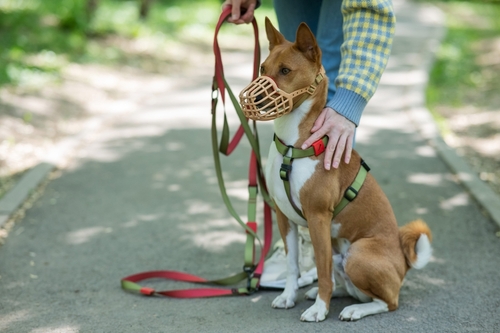
Reporting the attack to law enforcement is one of the most important dog bite legal steps in PA. If you’ve been attacked or witnessed an attack in Philadelphia, contact your local police district and ask to speak with the Community Relations Officer. That officer will investigate the incident and may file charges against the dog’s owner.
If the dog is still running at large and poses an ongoing danger, call 911 or contact the Philadelphia Animal Care & Control Team (ACCT) at (267) 385-3800. Understand that Animal Control cannot seize a dog directly from an owner. They can only apprehend dogs actively running at large or accept dogs voluntarily surrendered by the owner.
💡 Pro Tip: Write down every detail you remember about the attack: the dog’s breed, color, size, whether it was leashed, the owner’s name or description, and witness names. Memory fades quickly, and these details matter.
Filing a Complaint for a Dangerous Dog Declaration
In Philadelphia, for a dog to be declared dangerous, a complaint must be filed with a Magisterial District Judge charging the owner with harboring a dangerous dog. In Philadelphia specifically, only a police officer may file this complaint, ACCT Philly Animal Control Officers do not have police powers and cannot file charges. Under Pennsylvania state law, the person attacked (or anyone on their behalf) or a state dog warden may also file such a complaint. This formal legal process can result in significant restrictions on the dog owner, including mandatory registration with the Bureau of Dog Law Enforcement and an annual registration fee of $1,000 for the life of the dog.
A dog may be declared dangerous under Pennsylvania law if it has inflicted severe injury on a human being without provocation on public or private property, or if it killed or inflicted severe injury on a domestic animal without provocation while off the owner’s property. Severe injury is defined as any physical injury resulting in broken bones or disfiguring lacerations requiring multiple sutures or cosmetic surgery. If your injuries meet this threshold, pursuing a dangerous dog declaration can strengthen your civil claim.
Understanding Dog Owner Liability Under Pennsylvania Law
Pennsylvania law holds dog owners responsible for damages caused by their dogs, and all dogs must be kept under control and not allowed to run at large. When an owner fails to restrain or control their animal, they may be held liable for resulting harm.
Any cost to the victim for medical treatment resulting from an attacking or biting dog must be paid fully by the owner or keeper of the dog. This strict liability for medical expenses applies regardless of whether the owner knew the dog was dangerous. It includes emergency room visits, surgeries, follow-up care, and cosmetic procedures needed to address scarring. To recover compensation beyond medical costs, such as pain and suffering, lost wages, and emotional distress, the victim must generally prove the dog owner was negligent, such as by showing the owner knew of the dog’s vicious tendencies and failed to take proper precautions.
💡 Pro Tip: All dogs in Pennsylvania must be licensed. If you can identify the dog, its license tag can help authorities quickly determine the owner, which is essential for holding them accountable.
When the Dangerous Dog Law Does Not Apply
The dangerous dog law includes important exceptions that every victim should know. The Act does not apply when the person injured was committing a willful trespass or other tort upon the premises, was tormenting, abusing, or assaulting the dog, or was committing or attempting to commit a crime. If the dog owner raises one of these defenses, the outcome depends on the specific facts.
This is why thorough evidence collection matters. Gathering witness statements, surveillance footage, and photographs of the scene can demonstrate that the attack was unprovoked and that you were lawfully present. For a deeper look at building a strong case, review this guide on proving a dog owner’s liability.
Key Responsibilities of Pennsylvania Agencies After a Dog Bite
The PA Bureau of Dog Law Enforcement plays a central role in investigating dog bites and placing quarantines. The Bureau also maintains a statewide Dangerous Dog Registry. Understanding which agency handles which part of the process helps you follow up effectively.
| Agency / Authority | Role After a Dog Bite |
|---|---|
| Local Police District (Community Relations Officer) | Investigates the attack; may file dangerous dog charges |
| PA Bureau of Dog Law Enforcement | Investigates bites, places quarantines, maintains Dangerous Dog Registry |
| Philadelphia Animal Care & Control (ACCT) | Apprehends dogs running at large; responds to dangerous dog reports |
| Magisterial District Judge | Hears dangerous dog complaints and issues declarations |
💡 Pro Tip: Keep a written log of every report you file and every agency you contact, including dates, names of officers, and reference numbers. This record can be invaluable if your case moves toward litigation.
Protecting Your Dog Bite Claim in Philadelphia
Time is one of the most important factors in a successful dog bite injury claim in Philadelphia. Pennsylvania generally imposes a two-year statute of limitations on personal injury claims, meaning you have a limited window to file a lawsuit. While certain circumstances may affect this deadline, courts interpret exceptions narrowly, so don’t assume extra time is available without consulting an attorney.
Building a strong claim means preserving evidence early. Photograph your injuries on the day of the attack and during each stage of healing. Save all medical bills, receipts for medications, and records of missed work. If there were witnesses, get their contact information before details become harder to track. An experienced dog bite lawyer in Philadelphia can help you organize this evidence and pursue fair compensation.
💡 Pro Tip: Do not provide a recorded statement to the dog owner’s insurance company before speaking with an attorney. Insurance adjusters may use your words to minimize or deny your claim.
Frequently Asked Questions
1. What should I do immediately after a dog bite in Philadelphia?
Seek Medical Care and Report the Attack
Your first step should be getting medical treatment, even for wounds that seem minor. Then contact your local Philadelphia police district and ask to speak with the Community Relations Officer to file a report. These actions protect both your health and legal rights.
2. Who pays for my medical bills after a dog bite in PA?
The Dog Owner Bears Financial Responsibility
Under Pennsylvania law, the owner or keeper of the dog is strictly liable for paying the full cost of your medical treatment resulting from the bite. This includes emergency care, surgery, follow-up visits, and procedures to address scarring. To recover additional damages such as pain and suffering or lost wages, you must generally prove the owner was negligent.
3. What qualifies a dog as "dangerous" under Pennsylvania law?
Unprovoked Attacks Causing Severe Injury
A dog may be declared dangerous if it inflicted severe injury on a human without provocation on public or private property, or if it killed or inflicted severe injury on a domestic animal without provocation while off the owner’s property. Severe injury means broken bones or disfiguring lacerations requiring multiple sutures or cosmetic surgery. The declaration must come from a Magisterial District Judge after a formal complaint is filed.
4. Can Animal Control take the dog away from its owner?
Limited Authority to Seize
Animal Control cannot seize a dog directly from an owner. They may only apprehend dogs actively running at large or accept dogs that an owner voluntarily surrenders. If a dangerous dog is loose, contact 911 or ACCT at (267) 385-3800.
5. How long do I have to file a dog bite lawsuit in Philadelphia?
The Statute of Limitations Is Generally Two Years
Pennsylvania generally allows two years from the date of injury to file a personal injury lawsuit. However, specific facts may affect this timeline, and courts interpret tolling exceptions narrowly. Acting quickly ensures you preserve evidence and meet all applicable deadlines.
Take Action to Protect Your Rights After a Dog Attack
A dog bite can leave lasting physical and emotional effects, but you don’t have to navigate the aftermath alone. By seeking prompt medical care, reporting the attack to Philadelphia police, and preserving your evidence, you put yourself in the strongest position to recover the compensation you deserve. Pennsylvania law provides clear protections for bite victims, and understanding those protections is the first step toward holding a negligent dog owner accountable.
If you’re dealing with a dog bite injury in Philadelphia, The Law Offices of Greg Prosmushkin is ready to help. Call (609) 656-0909 or contact us today to discuss your case and learn what options may be available to you.