
Philadelphia's busiest intersections have become increasingly dangerous zones for drivers and pedestrians alike in 2024. Recent data shows a troubling uptick in intersection collisions throughout the city, with police-reported motor vehicle crashes increasing by 3.5 percent nationwide from 2022 to 2023—a trend that continues to impact Philadelphia in 2024. If you've been involved in an intersection accident or regularly navigate the city's complex roadways, understanding why these crashes are occurring and what legal protections exist is crucial. The rising frequency of these incidents isn't just a statistic—it represents thousands of Philadelphians whose lives have been disrupted by injuries, property damage, and the complex aftermath of collision trauma.
Don't let the complexities of intersection accidents overwhelm you. Reach out to The Law Offices of Greg Prosmushkin for dedicated legal support that ensures your rights are protected and your compensation maximized. Call us at (609) 656-0909 or contact us today to take the first step towards securing the justice you deserve.
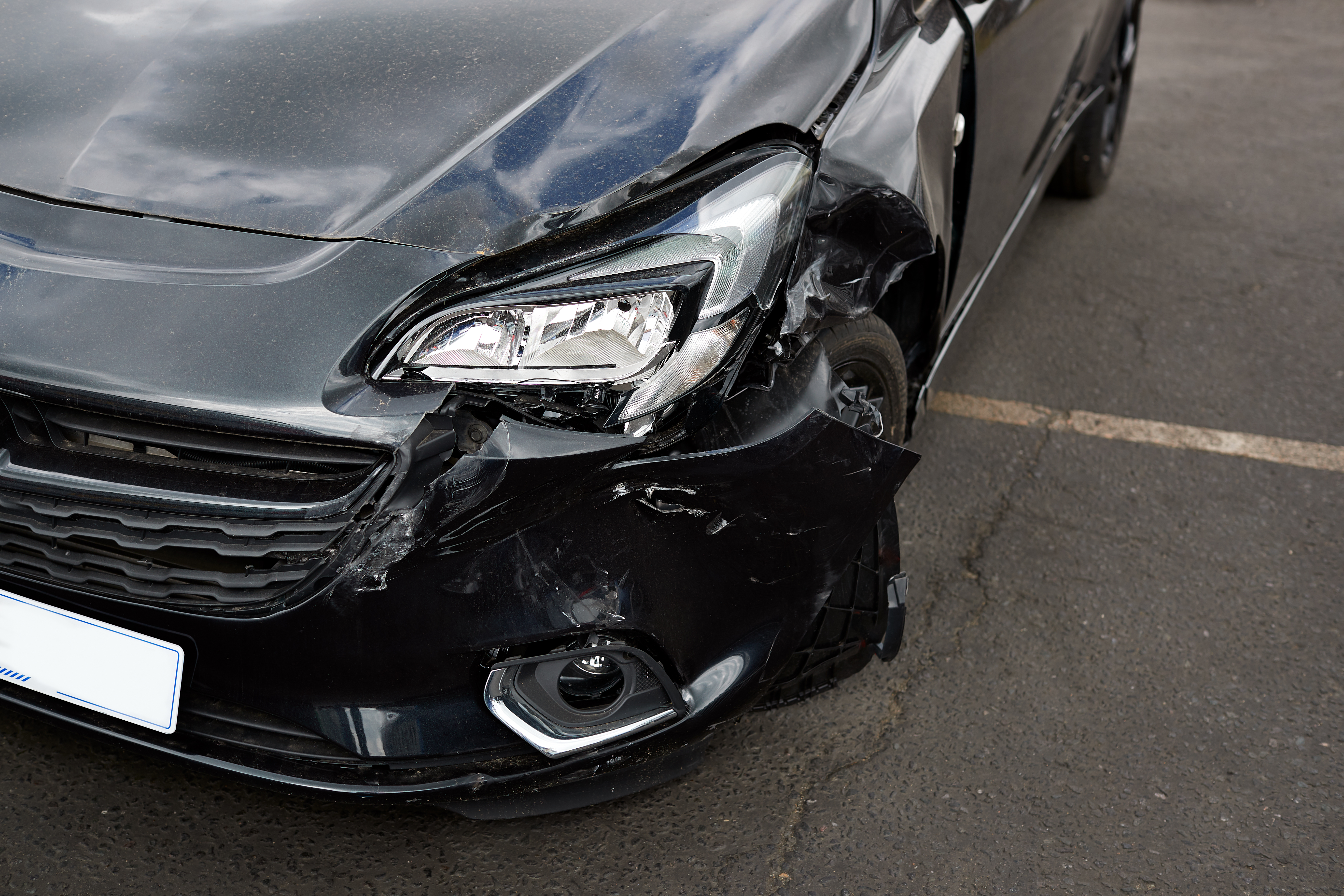
Pennsylvania follows a modified comparative negligence rule in auto accident cases, which directly impacts your rights after an intersection collision. Under this system, you can recover damages as long as you're determined to be 50% or less responsible for the accident. However, your compensation will be reduced by your percentage of fault. According to the National Highway Traffic Safety Administration (NHTSA), property-damage-only (PDO) crashes increased by 4.2 percent from 2022 to 2023 nationwide, but even these "minor" accidents can result in significant financial burdens. Pennsylvania law also provides a two-year statute of limitations for filing personal injury claims resulting from auto accidents, making timely action essential. Additionally, Pennsylvania's status as a "choice no-fault" insurance state means your first recourse after an intersection accident is typically your own insurance, regardless of who caused the crash—unless you've opted out of the no-fault system or your injuries meet certain thresholds of severity. Understanding these legal nuances is critical when pursuing compensation for medical expenses, lost wages, and pain and suffering following an intersection collision.
Navigating the aftermath of an intersection accident requires understanding the typical progression of events from crash to compensation. The process can seem overwhelming, particularly as you may be dealing with injuries, vehicle damage, and insurance adjusters simultaneously. While each case follows its own unique timeline based on specific circumstances, there are predictable phases and deadlines that most intersection accident claims will encounter. Being aware of these stages can help you manage expectations and take appropriate action at each step.
Immediate post-accident reporting: Pennsylvania law requires reporting any accident involving injury or death to police immediately, with a written report required within 5 days if police didn't investigate at the scene.
Medical documentation window: Your medical records from the first 72 hours after an accident carry significant weight in establishing the connection between the crash and your injuries—delayed treatment can be used by insurers to minimize your claim.
Insurance notification period: While Pennsylvania insurers typically require notification "as soon as practicable," waiting longer than 30 days can trigger denial of claims based on late reporting provisions.
Investigation phase: Insurance companies typically complete their initial investigation within 30-45 days, though complex intersection accidents with multiple vehicles may take longer as fatality rates per 100 million vehicle miles traveled have decreased from 1.34 in 2022 to 1.26 in 2023, showing some safety improvement.
Settlement negotiation: Most intersection accident cases that don't involve severe injuries resolve within 3-6 months, though cases proceeding to litigation can extend the timeline to 1-2 years or more.
Achieving fair compensation after an intersection collision requires strategic action and knowledgeable guidance. The Law Offices of Greg Prosmushkin has successfully represented countless Philadelphia intersection accident victims, understanding that these cases often involve complex liability questions when multiple vehicles or traffic signal issues are involved. Our approach begins with a comprehensive investigation to establish exactly what happened and who bears responsibility—whether it's another driver, a municipality responsible for road design, or even a vehicle manufacturer. We meticulously document all damages, including property damage, medical expenses, lost income, and non-economic damages like pain and suffering. Philadelphia intersection accidents frequently involve contested liability, with each party potentially pointing fingers at others. Having experienced legal representation ensures that your rights remain protected throughout this process and that insurance companies cannot minimize legitimate claims through tactics like early lowball settlement offers or misrepresentation of Pennsylvania traffic laws.
Understanding why intersection accidents are increasing requires examining several converging factors that have created a perfect storm of risk on Philadelphia roadways. The data shows that vehicle miles traveled (VMT) increased from 3,196 billion in 2022 to 3,247 billion in 2023, according to the Federal Highway Administration—more vehicles on the road naturally leads to more collision opportunities. However, the increase in crashes exceeds the proportional increase in traffic volume, suggesting other factors are at play. Post-pandemic driving behaviors have changed significantly, with many drivers exhibiting more aggressive tendencies, including speeding through yellow lights and rolling through stop signs. Additionally, distracted driving remains a significant contributor to intersection collisions, with smartphone use and in-vehicle technology creating dangerous diversions precisely when full attention is required for safe navigation through complex intersections.
Several Philadelphia intersections have gained notoriety for their particularly high accident rates, often due to design flaws that create confusion or visibility issues. The intersection of Roosevelt Boulevard and Grant Avenue consistently ranks among the city's most dangerous, with its complex multi-lane configuration creating numerous conflict points. Similarly, Broad Street and Olney Avenue presents challenges with high pedestrian traffic combined with vehicles attempting to make turns across multiple lanes. In our experience handling intersection accident cases throughout Philadelphia, we've observed that even seemingly minor design issues—such as poorly timed traffic signals or obstructed sightlines from improperly placed signs—can dramatically increase collision rates at specific intersections. The city's older infrastructure was simply not designed to handle current traffic volumes, creating bottlenecks and confusion that contribute to the rising accident statistics.
Intersection accidents in Philadelphia manifest in several distinct patterns, each with unique legal considerations. T-bone collisions (side-impact crashes) are particularly common at intersections and often result in severe injuries due to the limited protection on vehicle sides. These crashes frequently occur when one driver runs a red light or stop sign, creating clear liability issues but sometimes complex insurance scenarios when multiple vehicles are involved. Left-turn accidents represent another common intersection collision type, occurring when a vehicle making a left turn fails to yield to oncoming traffic. Under Pennsylvania law, the turning vehicle typically bears the burden of proving they had the right of way, though exceptions exist when the oncoming vehicle was speeding or otherwise violating traffic laws. Rear-end collisions at intersections have also increased as distracted driving becomes more prevalent, with following drivers generally presumed liable but comparative negligence potentially applying if the lead vehicle stopped abruptly without cause.
The rising trend in intersection accidents has particularly severe implications for vulnerable road users like pedestrians and cyclists. Fatal hit-and-run crashes have increased significantly during the COVID-19 pandemic, with vulnerable road users being significantly over-represented among the victims. Pennsylvania law provides strong protections for pedestrians in crosswalks, but establishing liability becomes more complex when pedestrians cross outside marked areas or against signals. For cyclists, Philadelphia's expanding bike lane network has created new intersection configurations that some drivers fail to navigate properly, particularly regarding right turns across bike lanes. These cases often require trusted legal knowledge regarding the interaction between Pennsylvania's Vehicle Code and Philadelphia's local traffic ordinances. Municipalities may also bear partial liability if intersection design creates inherently dangerous conditions for pedestrians or cyclists, though claims against government entities face additional procedural hurdles and shorter filing deadlines than standard personal injury claims.
Technology has created both new problems and potential solutions for Philadelphia's intersection safety crisis. The ubiquity of smartphones has contributed significantly to distracted driving behaviors, with drivers frequently checking devices while approaching or waiting at intersections—a moment when full attention is critical for safety. Data shows that property-damage-only crashes increased by 4.2 percent from 2022 to 2023, with distracted driving being a major contributor. Conversely, technological advancements offer promising avenues for reducing intersection dangers. Automated enforcement technologies like red light cameras have shown effectiveness in reducing the most dangerous intersection behaviors, though their implementation remains controversial. Vehicle safety technologies like forward collision warning systems and automatic emergency braking are increasingly standard in newer vehicles and can prevent or mitigate intersection crashes by compensating for driver attention lapses.
Philadelphia's network of traffic cameras and increasing prevalence of private security cameras have transformed how intersection accident claims are proven. Video evidence often provides definitive proof of how a collision occurred, eliminating disputes about signal phases, vehicle positions, and driver actions that previously relied on conflicting witness testimony. However, securing this evidence requires prompt action, as government-operated traffic camera footage may be automatically deleted after periods as short as 30-60 days unless preservation requests are filed. Private business cameras near intersections may have even shorter retention policies. In Pennsylvania, video evidence can be particularly valuable in comparative negligence cases, where the precise determination of each party's degree of fault directly impacts compensation amounts. A skilled intersection accident lawyer will immediately identify potential video sources and take legal steps to preserve this critical evidence before it's lost forever, often using subpoenas or evidence preservation letters to ensure key footage remains available for your case.
In Pennsylvania, you generally have two years from the date of the accident to file a personal injury lawsuit. However, this deadline can be shorter in certain circumstances, such as when claims involve government entities like SEPTA or the City of Philadelphia. Additionally, insurance claims should be filed much sooner—typically within days of the accident. Missing these deadlines can permanently bar your right to compensation, which is why consulting with an intersection accident lawyer in Philadelphia promptly after a crash is crucial to protect your legal rights.
With skilled legal representation, victims of Philadelphia intersection accidents may recover several types of damages. These typically include economic damages like medical expenses (both current and future), lost wages, loss of earning capacity, and property damage. Non-economic damages are also recoverable, including pain and suffering, emotional distress, and loss of life's enjoyment. In rare cases involving particularly reckless conduct, punitive damages might be available. Pennsylvania's comparative negligence rules mean your compensation may be reduced by your percentage of fault, but you can still recover as long as you're not more than 50% responsible for the accident.
The most compelling evidence in Pennsylvania intersection accident cases typically includes: traffic camera or surveillance footage showing the collision; police accident reports documenting officer observations and preliminary fault determinations; witness statements from impartial observers; photographs of vehicle damage, the intersection layout, and any relevant traffic signals or signs; medical records establishing the causal link between the accident and your injuries; expert testimony from accident reconstructionists who can explain precisely how the collision occurred; and electronic data from modern vehicles that may record speed, braking patterns, and other crucial information at the time of impact. An experienced intersection claims Philadelphia attorney will know how to secure and effectively present this evidence.
Liability in Philadelphia intersection accidents is determined through a multi-faceted investigation that examines traffic laws, physical evidence, witness testimony, and potentially expert analysis. Pennsylvania follows modified comparative negligence rules, meaning each driver can be assigned a percentage of fault. Key factors include: which driver had the right of way according to traffic signals or signs; whether either driver violated traffic laws like speeding or distracted driving; the point of impact on the vehicles; statements from drivers and witnesses; and physical evidence at the scene such as skid marks or debris patterns. Your auto injury attorney in PA will work to establish that the other driver bears primary responsibility while minimizing any comparative negligence that might be attributed to you.
While it's legally possible to handle your own claim, doing so often results in significantly lower compensation, especially in complex intersection accidents. Insurance companies are skilled at minimizing payouts to unrepresented claimants and may take advantage of your unfamiliarity with Pennsylvania accident laws and proper damage valuation. Studies consistently show that accident victims who retain attorneys receive higher settlements even after legal fees. This disparity grows larger with case complexity—and intersection accidents frequently involve disputed liability, multiple vehicles, complex medical issues, and aggressive insurance tactics. A Philadelphia accident lawyer provides value by thoroughly investigating your crash, properly valuing all damages, negotiating from a position of strength, and being prepared to litigate if necessary.
If you've been injured in an intersection accident, working with a knowledgeable Pennsylvania auto accident attorney can make a significant difference in your recovery—both physically and financially. The Law Offices of Greg Prosmushkin offers comprehensive legal support throughout every stage of your case, from the immediate aftermath through final resolution. Our team conducts thorough investigations to establish liability, works with medical providers to document your injuries properly, handles all communications with insurance companies, and pursues maximum compensation through skilled negotiation or litigation when necessary. We understand that intersection accidents can cause severe disruptions to your life, and our goal is to shoulder the legal burden so you can focus on recovery. While the fatality rate per 100 million vehicle miles traveled has decreased slightly nationwide, intersection accidents remain among the most dangerous collision types in Philadelphia. Don't navigate this complex legal terrain alone—reach out for a consultation to understand your rights and options under Pennsylvania law.
Don't let the intricacies of intersection accidents leave you in a bind. The Law Offices of Greg Prosmushkin is here to guide you through the legal maze and ensure your rights are upheld. Give us a ring at (609) 656-0909 or contact us to start your journey toward justice today.