






Navigating the Aftermath of a Route 1 Collision: What Every Driver Needs to Know
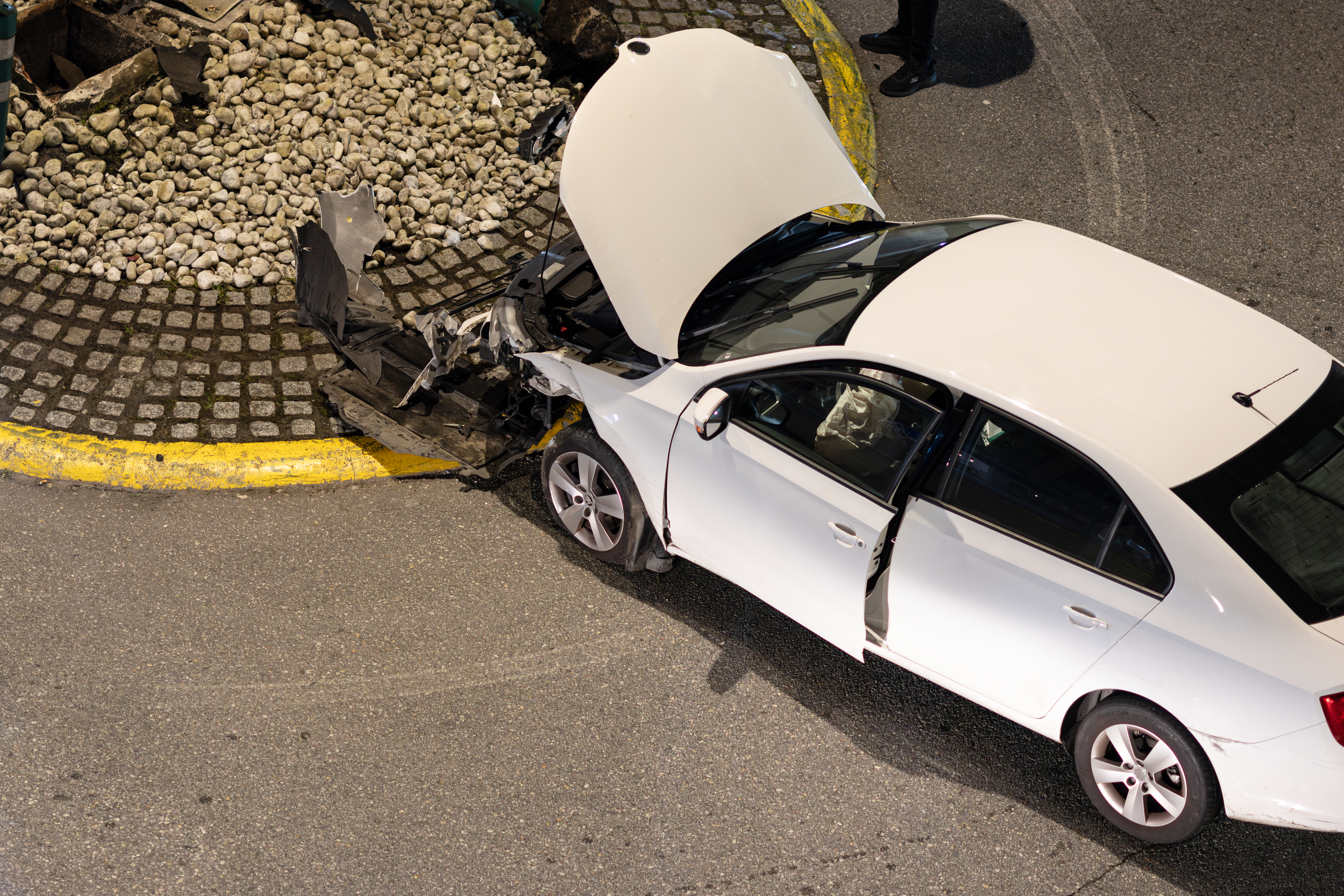
The minutes following a car accident on New Jersey’s Route 1 can be disorienting and overwhelming. With its heavy traffic and high speeds, Route 1 sees numerous accidents each year that leave victims wondering what to do next. Whether you’re dealing with a minor fender bender or a serious collision, the steps you take immediately after an accident can significantly impact your physical recovery, financial compensation, and legal rights. As personal injury lawyers who have helped countless Trenton residents through these challenging situations, we understand that knowing the right actions to take can make all the difference in protecting yourself and strengthening any potential claims.
Don’t let the complexities of a Route 1 accident overwhelm you. Reach out to The Law Offices of Greg Prosmushkin for guidance and support in navigating your legal journey. Call us at (609) 656-0909 or contact us today to ensure your rights are protected and your path to recovery is clear.
Understanding Your Legal Rights Under New Jersey’s Car Accident Laws
New Jersey operates under a somewhat complex “choice no-fault” insurance system that directly affects your rights after a Route 1 accident. Under this system, your own insurance typically covers your medical expenses regardless of who caused the accident through Personal Injury Protection (PIP) coverage. However, this doesn’t mean you’re without options for additional compensation. New Jersey law allows accident victims to step outside the no-fault system and pursue claims against at-fault drivers when injuries meet certain thresholds or when you’ve selected the “unlimited right to sue” option on your policy. Understanding these distinctions is crucial, as they determine whether you can seek compensation for pain and suffering beyond basic economic damages. Additionally, New Jersey has a strict statute of limitations of two years for personal injury claims, meaning you must file any lawsuit within two years of your accident date or risk losing your right to compensation entirely. This timeline makes prompt action essential, particularly when collecting evidence and documenting injuries that might not be immediately apparent.
The 7 Critical Steps to Take Following a Route 1 Car Accident
The moments following a collision on Route 1 are crucial for both your safety and any future legal claims. Following these specific steps in the right order can help protect your health, preserve critical evidence, and establish a strong foundation for any insurance claims or legal action you might need to pursue. As of December 2024, New Jersey State Police reported 625 fatal crashes and 662 deaths statewide, with Middlesex County recording 58 traffic deaths in 52 accidents—the highest rate of any New Jersey county. Over the past five years, 45 people have died in crashes on Route 1 in Middlesex County alone. This underscores why properly documenting your accident is so important—it helps protect legitimate claims from being wrongfully denied or minimized.
-
Ensure Safety and Call 911: Move to a safe location if possible and immediately call 911. Route 1’s high-speed traffic makes staying in your vehicle dangerous if it can be safely moved to the shoulder. Police reports serve as official documentation of the accident and are crucial for insurance claims.
-
Seek Medical Attention: Even if you feel fine, get examined by medical professionals. Many serious injuries like whiplash, concussions, and internal bleeding may not show symptoms immediately. Medical records created promptly after an accident serve as crucial evidence linking your injuries to the crash.
-
Document Everything at the Scene: Take extensive photos of all vehicles involved, your injuries, road conditions, traffic signals, and any skid marks. Collect names and contact information from all witnesses, as their testimony can be invaluable if liability is disputed. In workers’ compensation fraud cases alone, over $404 million in potential losses were prevented in fiscal year 2022-23, showing how important thorough documentation is for legitimate claims.
-
Exchange Information Properly: Collect the other driver’s name, contact information, insurance details, license plate number, and driver’s license number. Be thorough but avoid discussing fault or making statements that could be interpreted as admitting liability.
-
Report the Accident to Your Insurance Company: Notify your insurer promptly, but stick to the facts without elaboration or speculation about fault. Be aware that insurance companies are required to report suspected fraud to criminal investigation units, so accuracy is essential.
-
Keep Detailed Records of All Expenses: Track all accident-related expenses including medical bills, prescription costs, transportation to appointments, lost wages, and property damage. These records will form the foundation of your compensation claim.
-
Consult with a Personal Injury Lawyer: Before accepting any settlement offers, speak with an experienced attorney who understands New Jersey’s complex auto insurance laws. Insurance companies often make quick, lowball offers hoping you’ll settle before understanding the full extent of your damages.
How The Law Offices of Greg Prosmushkin Can Help Maximize Your Route 1 Accident Recovery
Recovering from a Route 1 accident involves navigating complex legal and insurance systems while you’re also trying to heal physically. At The Law Offices of Greg Prosmushkin, we’ve represented numerous clients in similar situations throughout New Jersey, helping them secure the compensation they deserve while they focus on recovery. Our approach begins with a thorough investigation of your accident, gathering critical evidence that might otherwise be lost. We’ll handle all communications with insurance companies, who often use tactics to minimize payouts or deny valid claims. Understanding the full scope of damages you’re entitled to is crucial—many accident victims don’t realize they can claim compensation for future medical expenses following an auto accident, lost earning capacity, and non-economic damages like pain and suffering. For serious accidents, these non-economic damages can significantly outweigh immediate medical bills. Rather than accepting an insurance company’s first offer, consulting with a personal injury lawyer ensures you understand the true value of your claim and have an advocate fighting for your best interests through every step of the process.
Understanding New Jersey’s Modified Comparative Negligence Rule and How It Affects Your Case
New Jersey follows a “modified comparative negligence” rule that directly impacts compensation in Route 1 accident cases. Under this system, your potential recovery is reduced by your percentage of fault in causing the accident—but only if you’re found to be less than 51% responsible. If you’re determined to be 51% or more at fault, you cannot recover damages at all. This makes establishing the other driver’s liability crucial to your case. For example, if you’re awarded $100,000 in damages but found 20% responsible for the accident, your recovery would be reduced to $80,000. Insurance adjusters often try to shift blame to minimize payouts, making it essential to have strong evidence and legal representation. Factors that commonly impact negligence determinations include speeding, distracted driving, failure to yield, improper lane changes, and violation of traffic laws—all common occurrences on the busy Route 1 corridor. Building a solid case requires thorough investigation, accident reconstruction, witness statements, and sometimes expert testimony to establish the proper allocation of fault.
The Impact of Insurance Coverage Types on Your Recovery Options
Your selected insurance coverage dramatically affects your options following a Route 1 accident. New Jersey allows drivers to choose between “limited right to sue” (verbal threshold) and “unlimited right to sue” options when purchasing auto insurance. With the limited right to sue, you can only pursue compensation for pain and suffering if your injuries meet certain severity thresholds, such as significant disfigurement, bone fractures, permanent injury, significant scarring, or death. With the unlimited right to sue, you can pursue non-economic damages regardless of injury severity. We’ve seen many clients unaware of their selected coverage type until after an accident occurs. In our experience handling these claims, many drivers choose the limited right-to-sue option for lower premiums without fully understanding how it restricts their rights after an accident. This is why we always recommend carefully reviewing your policy details with an experienced attorney who can explain exactly what your coverage means for your specific situation.
Common Injuries and Long-Term Consequences of Route 1 Accidents
Route 1’s high-speed traffic and congested conditions often lead to particularly severe accidents with serious injuries. Understanding the potential long-term impact of these injuries is crucial when considering settlement offers. Whiplash and soft tissue injuries are among the most common but can be challenging to prove without proper medical documentation since they don’t appear on X-rays. Traumatic brain injuries, from mild concussions to severe TBIs, may not show immediate symptoms but can have life-altering consequences. Spinal cord injuries may result in chronic pain, limited mobility, or even paralysis in severe cases. Broken bones, internal bleeding, and psychological trauma like PTSD are also frequent outcomes of serious Route 1 collisions. The financial impact extends far beyond initial medical bills—many victims face ongoing rehabilitation costs, long-term care expenses, lost earning capacity, and needed home modifications. Insurance companies typically calculate settlement offers based on immediate medical expenses, often overlooking these long-term consequences, which is why proper legal representation is essential to ensure all future needs are considered in your compensation.
Dealing with Property Damage Claims After a Route 1 Accident
While physical injuries often take precedence, vehicle damage represents a significant aspect of most Route 1 accident claims. New Jersey law entitles you to compensation that returns your vehicle to its pre-accident condition or, if totaled, its fair market value before the crash. Understanding your options is crucial: you can file a claim with your own insurance if you have collision coverage or with the at-fault driver’s insurance company. Be aware that insurance companies may push for using aftermarket parts rather than original manufacturer parts, potentially affecting your vehicle’s value and safety. If your car is declared a total loss, insurers must pay the actual cash value (ACV), which factors in depreciation—often leading to disputes over fair valuation. Additionally, you may be entitled to compensation for diminished value (the reduction in your vehicle’s market value due to its accident history) and rental car expenses while your vehicle is being repaired. These claims require proper documentation including repair estimates from reputable shops, pre-accident maintenance records, and sometimes independent appraisals to counter lowball insurance offers.
The Critical Importance of Timelines in New Jersey Car Accident Cases
Time is a crucial factor in Route 1 accident cases, with several important deadlines that can significantly impact your ability to recover compensation. Most critically, New Jersey’s statute of limitations gives you just two years from the date of the accident to file a personal injury lawsuit. Miss this deadline, and you permanently lose your right to seek compensation through the court system. However, there are several other timelines that can affect your case well before this two-year mark. Insurance policies typically require “prompt” notification of accidents, which generally means within days of the incident. Delayed reporting can give insurers grounds to deny coverage. Additionally, New Jersey’s 90-day personal injury protection (PIP) rule requires you to seek medical treatment within 90 days of the accident for those expenses to be covered under PIP benefits. Evidence at the accident scene like skid marks, vehicle positions, and road conditions may disappear within hours or days, making immediate documentation crucial. Surveillance footage from nearby businesses is often automatically deleted after short periods unless requested. Witness memories fade quickly, making prompt statements valuable. These various timelines underscore why immediate action is essential after a Route 1 accident.
Identifying and Pursuing Additional Liable Parties Beyond Other Drivers
While most Route 1 accident claims involve other drivers, there may be additional liable parties who share responsibility for your injuries. Identifying all potentially responsible parties is critical to maximizing your recovery, especially in serious accidents where damages exceed insurance policy limits. Vehicle manufacturers or parts makers may bear liability if defective components contributed to the crash or worsened injuries. Government entities responsible for road design, maintenance, or signage can be liable if dangerous road conditions played a role—though claims against government entities involve special procedures and shorter notice requirements. Construction companies may share fault if improper work zone setup contributed to the accident. Commercial vehicle accidents may involve liability from the employer company, particularly if they failed to properly train drivers or maintain vehicles. In some cases, establishments that served alcohol to visibly intoxicated drivers before they caused your accident may face liability under New Jersey’s dram shop laws. Identifying these additional sources of recovery requires thorough investigation and legal expertise, as each involves different legal standards and procedural requirements.
Frequently Asked Questions
1. How long do I have to file a car accident lawsuit in New Jersey?
In New Jersey, according to the civil statute of limitations, you generally have two years from the date of your accident to file a personal injury lawsuit. This statute of limitations is strict, and failing to file within this timeframe typically means permanently losing your right to seek compensation through the courts. However, there are additional timelines to be aware of: you should report the accident to your insurance company immediately (usually within 24-48 hours), and if government entities might be liable (for example, due to road conditions), notice requirements as short as 90 days may apply. It’s advisable to consult with a personal injury lawyer in Trenton as soon as possible after your accident to ensure all deadlines are met.
2. What compensation can a Trenton car accident lawyer help me recover after a Route 1 crash?
An experienced New Jersey auto injury attorney can help you pursue various types of compensation following a Route 1 accident, including: medical expenses (both current and future), lost wages and diminished earning capacity, property damage to your vehicle, pain and suffering, emotional distress, loss of enjoyment of life, and in some cases, punitive damages if the other driver’s behavior was particularly reckless. The specific compensation available depends on several factors, including your selected insurance coverage type (limited vs. unlimited right to sue), the severity of your injuries, and the available insurance coverage. A Trenton accident claims specialist can evaluate your specific situation and identify all potential sources of recovery.
3. Should I accept the insurance company’s first settlement offer after my Route 1 accident?
It’s generally inadvisable to accept an insurance company’s first settlement offer without consulting a Trenton vehicle accident lawsuit attorney. Initial offers typically represent the minimum amount insurers hope you’ll accept and rarely account for the full scope of your damages, particularly long-term medical needs, future lost wages, and pain and suffering. Insurance companies often make quick offers hoping you’ll settle before understanding the full extent of your injuries or consulting legal counsel. Once you accept a settlement and sign a release, you cannot seek additional compensation even if your injuries worsen. A Mercer County car crash attorney can evaluate the offer, negotiate with the insurance company, and ensure any settlement adequately covers all your damages.
4. What if the other driver is uninsured or underinsured after our accident on Route 1?
If you’re involved in an accident with an uninsured or underinsured driver on Route 1, you may still have options for recovery. First, your own Personal Injury Protection (PIP) coverage will cover your medical expenses up to your policy limits regardless of fault. Second, if you purchased uninsured/underinsured motorist (UM/UIM) coverage as part of your auto insurance policy, you can file a claim against this coverage. UM/UIM coverage essentially steps into the shoes of the at-fault driver’s missing or insufficient insurance. The claims process for UM/UIM benefits can be complex, with your own insurance company now taking an adversarial position, making representation by a Route 1 accident attorney particularly valuable in these situations.
5. How does New Jersey’s “no-fault” insurance system affect my traffic injury claim?
New Jersey’s “no-fault” insurance system means your own Personal Injury Protection (PIP) coverage pays for your medical expenses regardless of who caused the accident. However, this doesn’t mean fault is irrelevant. Your ability to step outside the no-fault system and pursue compensation for pain and suffering depends on two factors: your selected insurance type and injury severity. If you chose the “unlimited right to sue” option, you can pursue non-economic damages regardless of injury severity. With the “limited right to sue” option, you can only pursue such damages if your injuries involve death, dismemberment, significant disfigurement or scarring, displaced fractures, loss of a fetus, or permanent injury. An NJ car crash laws expert can determine whether your situation qualifies for a claim beyond the no-fault system and guide you through the appropriate legal process.
Work with a Personal Injury lawyer
If you’ve been injured in a car accident on Route 1 in New Jersey, working with a knowledgeable personal injury lawyer can make a significant difference in your recovery journey. The legal process following an accident involves complex insurance rules, evidence gathering, and negotiation skills that most accident victims aren’t equipped to handle while recovering from injuries. A qualified attorney will conduct a thorough investigation of your accident, identify all potentially liable parties, calculate the full extent of your damages (including future impacts), and build a compelling case for maximum compensation. They’ll handle all communications with insurance companies, preventing you from making statements that could harm your claim. Most personal injury attorneys work on a contingency fee basis, meaning you pay nothing upfront and only pay legal fees if your case succeeds. This arrangement provides access to quality legal representation regardless of your financial situation. The Law Offices of Greg Prosmushkin offers free initial consultations to discuss your Route 1 accident case, explain your legal options, and answer any questions about the recovery process. Taking this step can help ensure your rights are protected and you receive the full compensation you deserve following a traumatic accident.
When the road throws you a curveball, don’t navigate it alone. Let The Law Offices of Greg Prosmushkin be your guiding light through the legal maze after a Route 1 accident. Dial (609) 656-0909 or contact us today to secure your rights and pave the way to recovery.