






When Icy Roads Lead to Legal Questions: Understanding Weather-Related Crash Liability
Picture this: you’re driving through a winter storm when suddenly your car slides into another vehicle on slippery roads. The other driver claims the weather caused the accident too, and now you’re wondering who’s really at fault. This scenario plays out thousands of times each winter across New Jersey, leaving drivers confused about their legal rights and responsibilities. When both parties point to rain, snow, ice, or fog as the culprit, determining liability becomes more complex than many realize. The truth is that weather conditions don’t automatically absolve drivers of responsibility – in fact, New Jersey law requires drivers to adjust their behavior based on road conditions, regardless of how severe the weather might be.
💡 Pro Tip: Always document weather conditions immediately after a crash – take photos of road conditions, save weather reports from that day, and note visibility issues. This evidence becomes crucial when insurance companies investigate fault.
Don’t let the weather dictate your accident outcome. Reach out to The Law Offices of Greg Prosmushkin for a thorough assessment of your case. Call us at (609) 656-0909 or contact us today to ensure your rights are protected, no matter the storm.
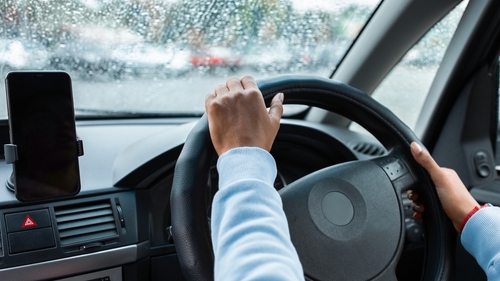
Your Legal Rights When Weather Factors Into a Car Accident Lawyer in Trenton Case
Understanding your rights after a weather-related crash starts with knowing how New Jersey law views driver responsibility during adverse conditions. The law is clear: drivers must exercise reasonable care under the circumstances, which means slowing down, increasing following distance, and taking extra precautions when roads are slippery or visibility is poor. Even when both drivers claim weather caused the accident, a car accident lawyer in Trenton can help establish that one party may bear more responsibility based on their actions. For instance, if one driver was traveling at the posted speed limit during a heavy snowstorm while another had reduced their speed appropriately, the faster driver could be found primarily at fault despite the weather conditions.
New Jersey follows a modified comparative negligence system, which directly impacts how weather-related accidents are handled. Under this system, each driver’s percentage of fault is determined, and you can only recover damages if you’re less than 51% at fault. This becomes particularly important when weather is involved because insurance companies often try to assign equal blame to both parties. Among the common causes of car accidents, weather-related crashes require careful analysis of each driver’s conduct to properly assign fault percentages.
💡 Pro Tip: Never admit fault or agree that "weather caused everything" at the accident scene. Even casual statements can be used to assign you a higher percentage of fault later.
The Investigation Timeline: From Crash to Compensation
Weather-related accident investigations follow a specific timeline that drivers should understand to protect their rights. The process begins immediately at the scene and can extend several months as insurance companies, and potentially attorneys, work to establish fault percentages. Knowing what to expect helps you prepare and ensures you don’t miss critical deadlines that could affect your claim.
- First 24-48 hours: Document everything – weather reports show that conditions can change rapidly, so securing meteorological data from the exact time of your accident is crucial for your case
- Within 7 days: File your insurance claim and provide initial statements – insurance companies will begin their investigation into how weather conditions and driver behavior contributed to the crash
- 2-4 weeks: Insurance adjusters analyze evidence including police reports, witness statements, and vehicle damage patterns to determine if either driver failed to adjust for conditions
- 30-60 days: Fault percentages are typically assigned – in 2023, New Jersey allocated over $25 million to law enforcement for traffic safety, partly to improve accident investigations and reporting
- Up to 2 years: The statute of limitations for filing a lawsuit if you disagree with the insurance determination or need to pursue additional compensation
💡 Pro Tip: Keep a detailed log of all weather-related factors from your accident day – temperature, precipitation type and intensity, wind conditions, and road treatment status. This information often disappears from public records after 30-60 days.
Finding Resolution When Weather Complicates Your Accident Claim
Resolving weather-related accident disputes requires understanding both the legal framework and practical strategies for proving your case. When both drivers blame weather conditions, the focus shifts to examining each driver’s response to those conditions. A car accident lawyer in Trenton from The Law Offices of Greg Prosmushkin can analyze factors like vehicle speed, following distance, and whether drivers took appropriate precautions for the conditions. The firm’s extensive experience with New Jersey auto accident compensation claims means they understand how local insurance companies handle weather-related disputes and can build compelling arguments to minimize your fault percentage.
The resolution process often involves demonstrating that the other driver violated their duty to adjust for conditions more severely than you did. For example, if surveillance footage shows the other driver didn’t slow down despite visible ice on the road, this evidence could shift fault percentages significantly in your favor. Weather may contribute to accident circumstances, but it doesn’t excuse negligent driving behaviors that make crashes more likely or severe.
💡 Pro Tip: Request traffic camera footage quickly – many municipalities only retain footage for 30-60 days, and this evidence can be crucial for showing how each driver responded to weather conditions.
Hidden Factors That Affect Weather-Related Accident Claims
Beyond the obvious weather conditions, several hidden factors can significantly impact how fault is determined in these cases. Vehicle maintenance records become crucial evidence – worn tires, faulty windshield wipers, or neglected brake systems can shift liability even when weather played a role. A Trenton auto injury case attorney will investigate whether either vehicle had mechanical issues that worsened the weather’s impact. Additionally, road maintenance responsibility can introduce another liable party. Government entities may share fault if they failed to properly treat icy roads or maintain adequate drainage during heavy rains, though special notice requirements apply to these claims.
The Role of Vehicle Technology in Weather-Related Crashes
Modern vehicles equipped with traction control, anti-lock brakes, and stability management systems raise new questions about driver responsibility in poor weather. If these safety systems failed during your accident, manufacturer liability might apply alongside driver fault determinations. Understanding the causes of car accidents and legal options includes recognizing when vehicle defects contributed to weather-related crashes. Insurance companies increasingly examine whether drivers properly utilized available safety technology – for instance, failing to engage traction control on icy roads could increase your fault percentage.
💡 Pro Tip: Save your vehicle’s computer data immediately after an accident – many cars record speed, brake application, and safety system status in the moments before a crash, providing objective evidence of driver behavior.
Navigating New Jersey’s Comparative Fault System in Weather Cases
New Jersey’s comparative negligence laws add complexity to weather-related accidents that drivers must understand. The state’s modified comparative fault rule means that fault percentages directly impact compensation – if you’re found 30% at fault, your damages are reduced by 30%. More critically, if you’re found 51% or more at fault, you cannot collect any damages from the other driver’s insurance. This makes the fault determination process especially important in weather-related cases where insurance companies often push for 50-50 fault splits.
Strategic Considerations for Maximizing Your Recovery
Successfully navigating a weather-related claim requires strategic thinking about evidence and arguments. Trenton New Jersey Auto Accidents lawyers understand that insurance companies use weather as an excuse to minimize payouts by claiming equal fault. However, careful reconstruction of the accident can reveal crucial differences in driver behavior – such as one driver traveling 20 mph over the safe speed for conditions while another had already reduced speed appropriately. The burden is on proving that despite weather being a factor, one driver’s negligence was the primary cause of the collision.
💡 Pro Tip: Obtain witness statements specifically about each driver’s behavior before the crash – witnesses who can testify that one driver was sliding through intersections or following too closely provide powerful evidence beyond just weather conditions.
Frequently Asked Questions
Weather-Related Accident Concerns
Many drivers have questions about how weather impacts their accident claims and what steps they should take to protect their rights when both parties blame poor conditions.
💡 Pro Tip: Write down your own account of the accident within 24 hours while details are fresh – include specific weather observations and how you adjusted your driving for conditions.
Legal Process and Next Steps
Understanding the legal process helps drivers make informed decisions about pursuing compensation after weather-related accidents.
💡 Pro Tip: Keep all receipts for vehicle repairs and medical treatment – even if fault percentages are disputed, documenting your damages ensures maximum recovery once liability is determined.
1. Can I still recover damages if both drivers claim weather caused the accident in New Jersey?
Yes, you can recover damages as long as you’re found less than 51% at fault. New Jersey law recognizes that even in poor weather, drivers have different levels of responsibility based on their actions. The key is proving that the other driver failed to adjust appropriately for conditions more than you did.
2. How do insurance companies determine fault when weather is involved in a Trenton car accident?
Insurance companies examine multiple factors including vehicle speeds, following distances, whether drivers attempted to brake or swerve, and if either driver violated traffic laws despite weather conditions. They also consider evidence like skid marks, impact points, and witness statements to determine each driver’s percentage of fault.
3. What evidence is most important for proving the other driver was more at fault in a weather-related crash?
Critical evidence includes traffic camera footage, witness statements about each driver’s behavior before impact, vehicle computer data, weather reports from the exact time and location, photos of road conditions, and police reports noting any traffic violations. Documentation showing the other driver failed to reduce speed or maintain control is particularly valuable.
4. Should I accept a 50-50 fault determination from insurance companies after a weather-related accident?
Don’t automatically accept an equal fault determination without consulting an attorney. Insurance companies often default to 50-50 splits in weather cases to minimize payouts, but careful investigation frequently reveals that one driver bears more responsibility. An attorney can challenge these determinations with additional evidence and legal arguments.
5. How long do I have to file a lawsuit if I disagree with the fault determination in my weather-related accident?
New Jersey’s statute of limitations gives you two years from the accident date to file a personal injury lawsuit. However, if you’re pursuing claims against a government entity for road conditions, you must file a tort claim notice within 90 days of the accident. Acting quickly preserves your options and ensures crucial evidence remains available.
Work with a Trusted Auto Accidents Lawyer
Weather-related accidents require thorough investigation and skilled legal representation to ensure fair fault determinations. When insurance companies try to use weather as an excuse to deny or minimize your claim, having experienced legal guidance makes the difference between accepting an unfair settlement and recovering full compensation. A qualified attorney understands how to prove that weather conditions don’t excuse negligent driving and can build compelling cases showing why one driver bears primary responsibility for the crash.
Unraveling the complexities of weather-related crashes requires a steady hand. If you’ve been caught in such a predicament, don’t let the storm muddle your claims. Get in touch with The Law Offices of Greg Prosmushkin at (609) 656-0909 or contact us online to steer your case in the right direction.