
When a commercial truck collision changes your life in an instant, the aftermath can feel overwhelming. While you focus on recovery, critical evidence is silently being recorded – the truck's "black box" holds vital data that could determine the outcome of your case. Event Data Recorders (EDRs) in commercial vehicles capture crucial information about what happened before, during, and after a crash, potentially providing irrefutable evidence of negligence. With recent data showing an 8.3 percent decrease in fatalities from truck crashes between 2022 and 2023, understanding this technology has never been more important for those seeking justice after a commercial vehicle accident. If you've been injured in a truck collision in New Jersey, knowing how to access and interpret this data could be the difference between a successful claim and a denial.
When the road gets rough after a commercial truck accident, let The Law Offices of Greg Prosmushkin be your guiding light. Our team is ready to help you navigate the complexities of black box data to strengthen your case. Don't hesitate to reach out at (609) 656-0909 or contact us today to ensure your rights are protected and your path to justice is clear.
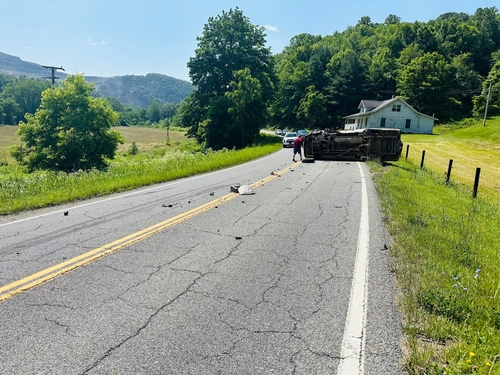
New Jersey law recognizes the significance of EDR data in establishing liability in commercial truck accidents. These sophisticated devices, similar to those found in aircraft, record critical operational parameters including speed, braking patterns, steering inputs, engine RPM, seat belt usage, and airbag deployment. Under federal regulations, most commercial vehicles manufactured after 2000 contain some form of EDR. However, accessing this data isn't automatic – it requires proper legal procedures to prevent spoliation (destruction or alteration) of evidence. In New Jersey, you have the right to request preservation of this data through a spoliation letter, which must be sent promptly after an accident. Commercial carriers are legally obligated to maintain certain records, including EDR data, for a specified period. The transportation and warehousing sector saw 667 fatalities from transportation incidents in recent reporting, with 249 resulting from roadway collisions with other vehicles – making this evidence crucial in establishing what really happened in these devastating crashes.
Time is of the essence when it comes to preserving black box data. Commercial trucking companies and their insurers understand the potential impact this information can have on liability determinations. Without swift action, this crucial evidence can be overwritten, deleted, or otherwise compromised. Here's what needs to happen and when:
Immediate Action (0-24 hours): Contact a commercial truck accident lawyer in Trenton immediately after the accident. Many EDRs only store data for a limited time before overwriting it with new information.
Preservation Letter (1-3 days): Your attorney must send a spoliation letter to all potential defendants, demanding preservation of all electronic data, including EDR information. This creates a legal obligation to maintain the evidence.
Court Intervention (If Necessary): If a trucking company refuses to preserve or provide black box data, your attorney may need to seek an emergency court order. Recent collision statistics showing 193 fatalities from trucks striking objects other than vehicles highlight why this data is critical in establishing what actually occurred.
Data Download (1-2 weeks): Specialized technicians using proprietary software must extract the data. Unlike passenger vehicle EDRs, commercial truck data systems are often more complex and may require manufacturer-specific tools.
Expert Analysis (2-4 weeks): Data interpretation requires qualified experts who can translate technical information into evidence that demonstrates how the 8.4-percent decrease in fatalities of other vehicle occupants in truck crashes from 2022 to 2023 doesn't diminish the severity of your specific case.
At The Law Offices of Greg Prosmushkin, we understand that the successful resolution of commercial truck accident cases often hinges on technical evidence that many firms overlook. Our approach to black box data is comprehensive and methodical. We work with specialized forensic engineers who can extract and analyze EDR information, correlating it with physical evidence, witness statements, and other crash data. This multi-faceted approach has proven especially effective as we've seen the estimated number of people injured in crashes involving large trucks decrease by 4.5 percent from 2022 to 2023 – yet those who are injured often face more complex cases requiring this technical evidence. Our team doesn't just collect the data; we translate it into compelling legal narratives that insurance companies and juries can understand. When black box data shows a driver exceeded hours-of-service regulations, was speeding, or failed to brake appropriately, we use this information to build irrefutable arguments for liability. This technical advantage has helped us secure substantial settlements for clients facing the life-altering consequences of commercial truck accidents throughout New Jersey.
Commercial vehicle EDRs capture significantly more data than most people realize, providing a digital fingerprint of the events surrounding an accident. Understanding what information is available can help you appreciate the potential strength of your case. While the specific parameters recorded vary by manufacturer and model year, most modern commercial truck black boxes document a wealth of operational metrics that can prove invaluable when establishing liability. As the data shows a 24-percent decrease in large-truck occupant fatalities in multi-vehicle crashes from 2022 to 2023, it becomes even more important to leverage every piece of available evidence to support your specific claim.
The moments leading up to a collision often tell the most important part of the story. Pre-crash data typically includes vehicle speed, throttle position, brake application, steering angle, and cruise control status. This information can reveal whether a driver was speeding, failed to brake in time, or made erratic steering maneuvers. Additionally, many advanced systems track following distance, lane departure warnings, and forward collision alerts that were triggered before impact. We've found that comparing the pre-crash data with the driver's logbook and statements often reveals critical discrepancies that can demonstrate negligence. In our experience, the pre-crash data frequently contradicts driver accounts, particularly regarding speed and braking behavior in the critical 5-10 seconds before impact.
Obtaining EDR data from commercial vehicles involves navigating a complex legal landscape. Unlike passenger vehicle EDRs, which are governed primarily by federal standards, commercial truck data systems face additional regulatory oversight and potential barriers to access. In New Jersey, these challenges are compounded by specific state laws regarding data ownership and privacy. Understanding these hurdles is essential for anyone pursuing a commercial truck accident claim, especially as the transportation industry becomes increasingly data-driven. The transportation and warehousing sector's high fatality rate – with 71.7 percent of deaths resulting from transportation incidents – underscores why access to this critical evidence matters.
Commercial carriers and their insurers often resist providing black box data, recognizing its potential to establish clear liability. They may claim that the data is proprietary, that it constitutes trade secrets, or that federal regulations protect it from disclosure. Some carriers may even attempt to download and analyze the data themselves, potentially compromising its integrity. In New Jersey, courts have generally recognized accident victims' rights to this information in discovery, but the process requires experienced legal representation. Your attorney must be prepared to file motions to compel production, seek protective orders to ensure data integrity, and potentially work with appointed neutral third parties to extract and preserve the information. The recent improvements in commercial vehicle safety statistics don't change the fact that each individual case deserves thorough investigation with all available evidence.
EDR information is most powerful when correlated with other forms of evidence to create a comprehensive picture of the accident. A skilled commercial truck accident lawyer in Trenton knows that black box data doesn't exist in isolation – it must be contextualized and integrated with physical evidence, witness testimony, and expert analysis. This holistic approach to evidence has become increasingly important as commercial vehicle safety improves overall, with an 8.3 percent decrease in fatalities involving large trucks from 2022 to 2023, making each individual case more dependent on thorough documentation and analysis.
One of the most compelling combinations of evidence involves correlating EDR data with a driver's logbook and electronic logging device (ELD) records. Federal regulations strictly limit how long commercial drivers can operate without rest, but violations remain common. When black box data shows a truck operating during hours when the driver should have been off-duty, it creates powerful evidence of regulatory violations. Similarly, if the EDR shows erratic speed changes, hard braking, or lane departures consistent with fatigue, this can be linked to hours-of-service documentation to demonstrate that driver exhaustion contributed to the crash. With roadway collisions accounting for a significant portion of transportation sector fatalities, this combined evidence approach can be decisive in establishing the true cause of an accident and securing appropriate compensation.
Commercial truck black box data storage varies significantly by manufacturer and model. Most modern EDRs store information in continuous loops, with some systems retaining only the last 30 seconds before a triggering event, while others may store several minutes of data. However, after an accident, this information can be overwritten if the vehicle continues to operate, which is why immediate legal intervention is crucial. In New Jersey, once a spoliation letter is received, the trucking company has a legal obligation to preserve this evidence. Working with a Trenton black box data lawyer immediately after your accident ensures this critical information is properly preserved before it's lost forever.
While trucking companies may initially resist providing EDR data, they cannot legally refuse to share this information when properly requested through discovery in a lawsuit. However, they may cite privacy concerns, proprietary information, or technical limitations as reasons for delay. New Jersey courts generally recognize accident victims' rights to this information when relevant to the case. If a company refuses despite a proper legal request, your NJ commercial vehicle attorney can file a motion to compel production and seek sanctions for evidence spoliation. In some cases, the court may appoint a neutral third party to extract the data to ensure its integrity is maintained.
Modern commercial truck EDRs typically record numerous parameters that can be crucial to your case, including vehicle speed (often second-by-second for several minutes before impact), brake application timing and pressure, throttle position, engine RPM, steering inputs, cruise control status, seat belt use, airbag deployment, GPS location data, following distance warnings, collision avoidance system activations, and any electronic stability control interventions. This information can definitively establish whether a driver was speeding, failed to brake appropriately, made sudden steering maneuvers, or ignored collision warnings. When analyzed by professionals, this data can create an objective, scientific reconstruction of the accident that's difficult for insurance companies to dispute.
New Jersey follows federal regulations regarding EDRs in commercial vehicles but has additional state-specific provisions regarding data ownership and privacy. Under federal law, commercial vehicles are subject to Federal Motor Carrier Safety Administration (FMCSA) regulations that may require certain data recording capabilities. However, New Jersey has established precedent through case law that generally favors disclosure of this information in litigation when relevant to establishing the cause of an accident. The state's courts typically balance privacy concerns against the need for evidence, generally ruling that in serious injury cases, the probative value of EDR data outweighs privacy considerations, especially for commercial vehicles operating under federal safety regulations.
After ensuring your immediate medical needs are addressed, contacting a commercial truck accident lawyer in Trenton should be your priority. Your attorney will immediately send spoliation letters to all potentially responsible parties, including the trucking company, driver, and any leasing companies. These letters create a legal obligation to preserve all evidence, including EDR data. Photograph the truck's license plate, DOT number, and any company information visible on the vehicle. If possible, note the truck's make, model, and year, as this helps identify what type of EDR system it uses. Never rely on law enforcement to collect this data—while they may investigate the crash, they typically don't download EDR information for civil claims. Quick action is essential, as some systems may overwrite data within days if the vehicle continues to operate.
When you're facing the aftermath of a commercial truck accident, having knowledgeable legal representation can make a substantial difference in your recovery journey. The Law Offices of Greg Prosmushkin has extensive experience in handling the technical aspects of truck accident cases, including the preservation and analysis of black box data. Our team understands the decreasing trend in commercial vehicle accidents – with an 8.3 percent reduction in fatalities from 2022 to 2023 – but we also recognize that each case deserves individual attention and thorough investigation. We work with specialized forensic experts who can extract and interpret EDR data, transforming technical information into compelling evidence that supports your claim. Our approach combines technical expertise with compassionate client service, ensuring you understand each step of the process. If you've been injured in a commercial vehicle accident, contact us for a consultation to discuss how we can help secure the evidence needed to protect your rights and pursue the compensation you deserve.
When the dust settles after a commercial truck accident, let The Law Offices of Greg Prosmushkin be your beacon of hope. Our dedicated team is here to help you unravel the complexities of black box data, ensuring your case is as strong as possible. Don't wait—reach out at (609) 656-0909 or contact us today to safeguard your rights and pave the way to justice.